After an attack
What to do after a dog attack
The first hour, the report, the quarantine clock and the paper trail: the steps that protect health first and evidence second.
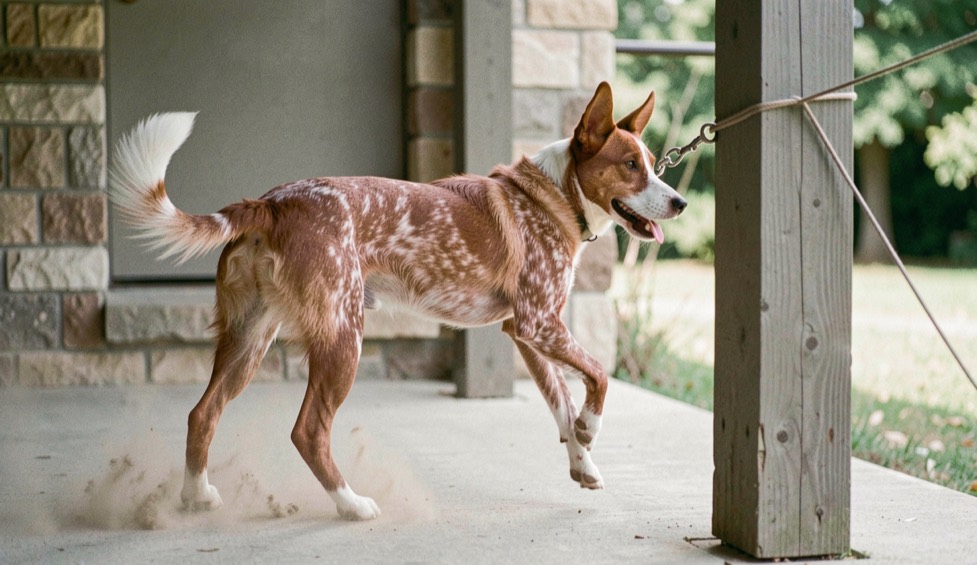
The first hour after a dog attack belongs to medicine and safety, in that order; the paper trail starts second and serves both the health authorities and any claim that follows. The order holds whether your dog was attacked, your dog did the biting, or you were the one bitten. This page holds that order from the first minutes to the first month.
Two pages sit behind it: what the rule will ask later is the one bite rule, and who ultimately pays is who pays for the damage. This page is the conduct manual: what to do, in what order, and what to write down as you go.
The first hour: safety, then care
Get safe first. Separate the dogs, or the dog and the person, with a door, a fence, any barrier you do not have to reach past; never a hand between two dogs, and never a face brought to a face. Once separated, care for the wound: rinse it, cover it, hold pressure on bleeding, and seek a medical judgment for any break in the skin, more urgently for a hand, a face, a child, or anyone whose healing is fragile. A wound in Southern heat and humidity carries its own infection risk, which is why the climate side of the question is treated in wound care in heat.
The report and what it starts
Report the attack to the authority your city or county designates for animal matters; in most places it is animal control or the county officer, and the number sits on the municipality's own site. The report does three things at once. It starts the local process that may declare the dog dangerous, it creates the official record a later claim will stand on, and it connects the wound to the rabies follow-up question, which nobody's assurance that the dog is friendly can answer.
The quarantine and why the clock exists
A dog that broke skin will usually be placed under an observation period for rabies; the length and the conditions are set by state health rules and by the dog's vaccination status, and they vary enough that this page records the mechanism and not the numbers. The vaccination record is what shortens the uncertainty: rabies tag rules, the collar and the certificate the tag hangs from, are what the health authority reads first. An owner who cannot produce a current certificate buys the longer observation, and sometimes the harder decisions with it.
The paper trail that outlives the wound
The record decides more than memory does. Photographs of wounds, clothing and the scene, taken the same day; the report number; the names and numbers of witnesses before they leave; every invoice and medical record, unedited; a dated log of each conversation with authorities, insurers and the other owner. On the owner's side the same trail runs in mirror: the dog's vaccination and veterinary records, photographs of the fence and the yard as they were that week, and the file of any prior complaint that exists.
What the rule will ask later
Mississippi's bite rule asks three questions, and every one of them is answered by paper: did the dog show a dangerous propensity, did the owner know of it, was the harm otherwise foreseeable. The episode that just happened becomes, months later, the prior incident in the next file. Both sides of this attack are building the record of the next one, which is a reason to keep that record complete rather than flattering.
The first two days in order
| Step | What it protects | What skipping it costs |
|---|---|---|
| Safety and separation | You, and everyone still standing | A second episode in the same hour |
| Medical care and judgment | The wound, and the record of it | An undocumented injury and a worse outcome |
| The report to the authorities | The legal process and the rabies follow-up | No official record, no quarantine decision |
| The vaccination certificate | The rabies question | The longer observation, or harder choices |
| The photographic record | The claim, weeks later | A story without pictures, against one with them |
| The witness list | The account that is not yours | Testimony that scatters within days |
| The dated log | Every later conversation | A memory contest you can lose alone |
The forty eight hour checklist
What to hold at the end of two days
One folder, dated, complete before the week turns.
- A medical opinion on record for any broken skin, however small it looks.
- The report number and the name of the receiving authority.
- Photographs of wounds, clothing and scene, all dated.
- The vaccination status of every dog involved, in writing.
- Witness names and contact details, written down the same day.
- A running log, one line per conversation, dated.
- The other owner's name, address and insurer, if the attacking dog was not yours.
Keeping this page honest
This page records conduct, not law: the one rule it touches is cited at the source on its own page, and the quarantine mechanics are described without numbers because the state health rules were not opened for figures on this page's date. First aid is described in general terms; the medical judgment belongs to a clinician who can see the wound.