Yard four
Adoption and rescue in the South
Southern shelter intake, the northbound transport corridor, fostering, and what the first month of an adopted adult dog asks of a household.
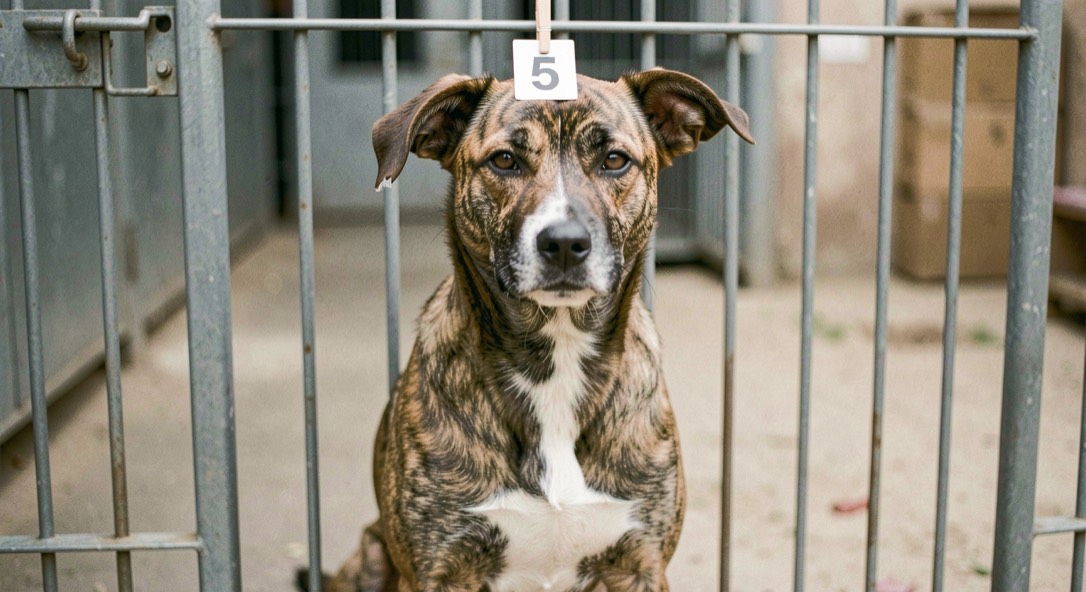
Adoption in the South is a system with mechanics, and the mechanics are worth knowing before the heart gets involved: how a dog enters the shelter population, how thousands of them leave it northbound every month, what fostering actually does to the equation, and what the first month of the dog that stays asks of a household. This gate reads the mechanics plainly and points to the pages that unfold each one.
Intake, and how to read it
The region's shelters take in at a scale the rest of the country knows mostly from its receiving end. The honest way to hold that scale is the national shelter database, the standing collection of shelter counts from across the country, which is the only source this journal would cite for an intake or adoption figure; anything sharper than its latest year is a story, not a statistic. What the database shows, in broad strokes, is a region whose intake pressure runs persistently ahead of its local adoptions, which is the gap the rest of this gate is about.
The corridor north
That gap built a corridor: dogs moved by transport from Southern shelters to Northern adopting regions, on schedules that rescues have run for roughly a decade, with vaccination and health requirements on both ends. The corridor is why a dog started its month in one state and finished it in another, and why the Northern shelter's card often knows less about the dog than the card suggests. The mechanics are neither a scandal nor a romance; they are logistics, and they explain the population in front of you.
Fostering, the pressure valve
Between intake and adoption sits the foster home, and it is the moving part of the whole machine. A foster household takes a dog the shelter is full of, holds it through the medical catch up and the decompression, and hands the adopting household a dog that has already been read by a living room. The foster learns the dog's actual manners, its actual fears, its actual way with a cat, which is why the good cards quote fosters and not guesses.
The month that starts at your door
What adoption asks of a household is its own page and the longest one at this gate: an adopted adult dog, with its three quiet days, its week of routines and its veterinary baseline. In this region the baseline is heavy on purpose: the heartworm test comes first, because the intake side of the system moves through the highest incidence band in the country, and the reasoning is unfolded at heartworm in the Delta. The catch up calendar around it, parasites, vaccinations, the file, is at year round prevention.
How to read a number at this gate: an intake count, a transport count or an adoption rate carries its database and its year, or it does not print. A number without its source is decoration, and the shelter world has enough decoration.
What this gate is not
It names no shelter, lauds no rescue and proposes no dog; it reads the system the way the rest of this journal reads a code, at the source and with the date showing. The dated reading of the region's numbers, as each new annual picture lands, belongs to the Notebook.