Yard three
Training and behavior in a Southern climate
Recall, reactivity and puppy socializing trained around real constraints: the heat window, the humidity, the neighbor twenty feet away, and the noise ordinance that names the hours.
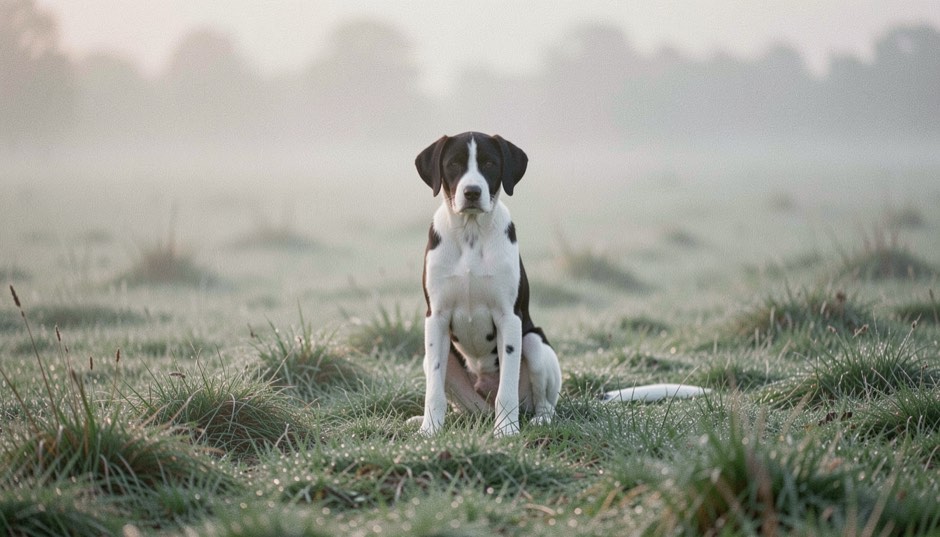
Training a dog in the South answers to three constraints before it answers to any philosophy: the heat window, the humidity behind it, and the neighbor twenty feet away. The work itself is the work everywhere, recall and leash manners and a dog that can settle in a waiting room. What changes down here is the schedule the work runs on and the rules it must not trip.
The window decides the schedule
A Southern summer does not end a program; it moves it. Sessions go to first light or late evening, surfaces get tested with the back of a hand before the dog walks on them, and the work that needs no yard moves indoors rather than dies. The physiology is the dog's: panting is the cooling, and wet air slows it, which is why the heat index and not the thermometer sets the session's address. The full method, the signals that end a session and the season by season windows, is at training in hot weather, and the emergency a wrong session creates is at heatstroke first minutes.
The adult nobody raised for you
Half the training questions in this region begin at a shelter door. An adopted adult dog is not a blank page, and that is the advantage: routines return fast, the name lands in days, and the slow parts, reactivity and separation and the fears the card did not catalog, are trained on the same calendar as any dog's. The first thirty days that pace all of it, three quiet days, a week of routines, a veterinary baseline, are mapped at an adopted adult dog.
The neighbor is the examiner
The third constraint is legal and it is local. Barking hours are written in most town ordinances, and the noise article names them; the at large article decides whose fault the sidewalk meeting was; the count limits decide how many dogs the household may hold. Those rules are read once a year at barking and neighbors, and the training that satisfies them, quiet on cue, settle at the door, a recall that beats the squirrel, is the same work on a different deadline: the third complaint is a deadline.
The quiet rule of this gate: train the behavior before the ordinance asks for it. A dog taught quiet on cue in March never meets the animal control officer in July, and the ordinance that would have named the hours never gets the chance to name them for you.
Where the work leads
Structure is not the enemy of the dog; it is the point of the dog. The training year, kept honest by the heat and the neighbors, opens every fall onto a whole landscape of formats, and that landscape is the next gate: dog event formats. The letters those formats add to a name, and how any claim of them is checked against a published rulebook, are decoded in structure at dog title abbreviations.